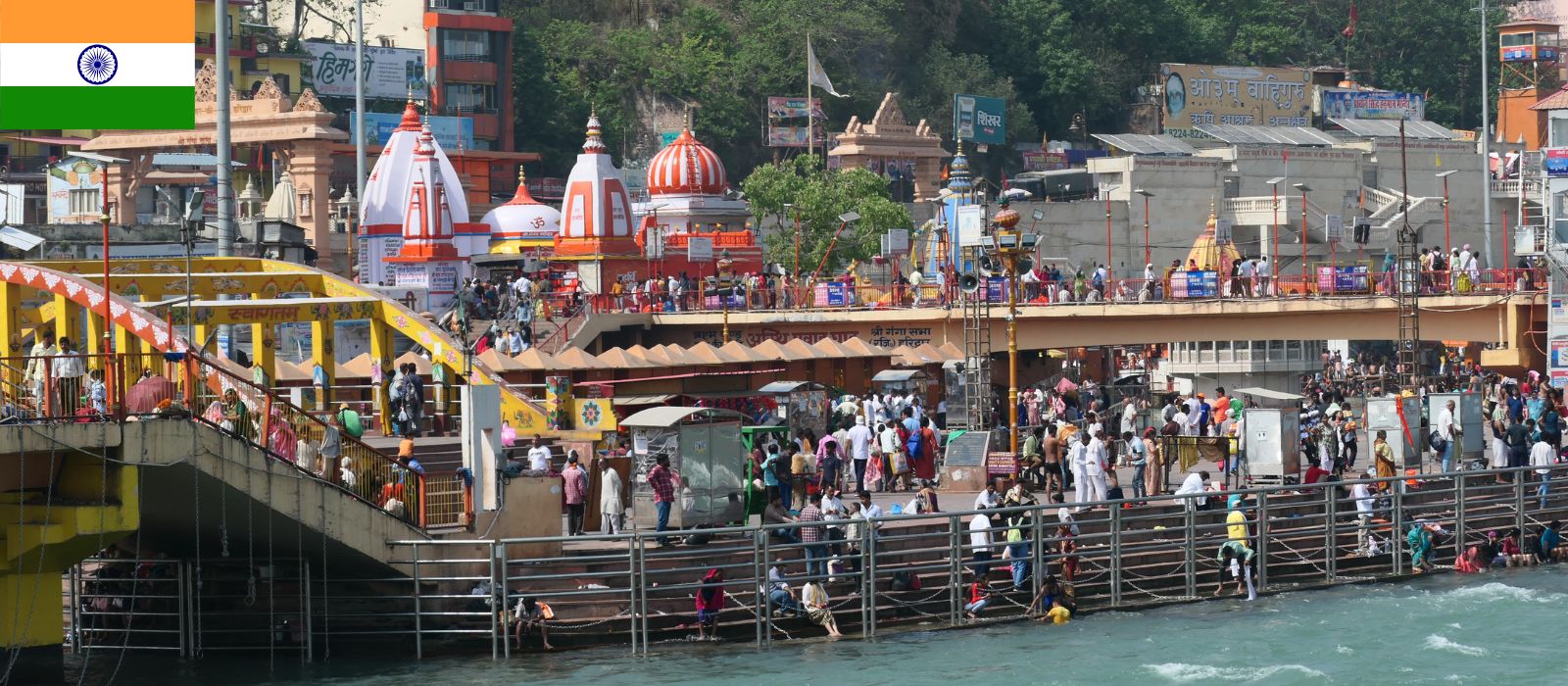
You’d think the entire subcontinent funnels through a single border gate when pilgrims head from Bangladesh to India in 2026. You’ll notice continuities of ritual and kinship that persist despite hardened frontiers, and you’ll compare Sufi dargahs, Hindu temples, and Buddhist sites for their different atmospheres and logistical demands. Keep following this thread to see how routes, markets, and policy shifts reshape devotional travel across a disputed yet familiar landscape.
One clear way to begin is by mapping the principal pilgrimage routes—Kumbh Mela circuits, Char Dham trails, Shaktipeeth links, and regional circuits like Varanasi–Gaya or Rameswaram–Kanyakumari—so you can see how geography, ritual calendar, and mode of travel shape devotees’ experiences. You’ll compare distances, seasonal windows, and transport modalities to assess accessibility and risk. You’ll note practical essentials—permits, accommodation patterns, health precautions—and how sanctified timetables govern flows. Comparative attention reveals how routes foster cultural exchanges between pilgrims, merchants, and clerics, and how syncretic practices emerge. Framing these pathways as structured networks clarifies their role in sustaining communal memory and enabling spiritual journeys, while pointing toward logistical and interpretive choices you’ll need to make.
You’ll find that cultural and religious continuity remains a primary driver, as family traditions and shared devotional sites across the border preserve longstanding pilgrimage rhythms. Comparatively, improved cross-border transport in 2026 has reduced time and logistical barriers, making journeys more feasible than in previous decades. Coupled with affordable pilgrimage packages and budget travel options, these factors sustain steady Bangladeshi visitation to Indian shrines.
Though political borders have hardened since 1947, cultural and religious continuities keep Bangladeshi pilgrims travelling to India in 2026: shared languages, familial ties, and overlapping sacred geographies create practical and emotional incentives that state maps don’t erase. You’ll observe how lived practice sustains cross-border cultural exchange: Sufi qawwalis, Hindu rites, and Buddhist festivals follow routes older than modern polities, so ritual knowledge and itineraries remain intelligible across communities. Comparing sites shows continuity in devotional economies, pilgrimage timing, and vernacular theology, even as institutional frameworks differ. For you as researcher or participant, these continuities explain why spiritual journeys persist: they’re embedded in kin networks, oral transmission, and place-based memory that legal boundaries can’t fully sever.
Because geographic proximity has long been matched by expanding transport links, Bangladeshis in 2026 continue to travel to India not only for ritual reasons but because cross-border mobility is increasingly practicable; improved road and rail corridors, streamlined visa and permit regimes for select categories, and a growing low-cost travel market have lowered the transactional and temporal costs of pilgrimage. You’ll find that accessible cross border transportation reshapes pilgrimage experiences by altering travel logistics, enhancing cultural exchanges, and reframing community interactions across borders. Comparative attention to border security and regional cooperation shows tensions between facilitation and control, affecting which transportation options are viable. You should weigh practical constraints against communal aims when planning routes and timing.
Rail corridor schedules and hub connectivity
Road transit permits and checkpoint procedures
Coordinated temple and shrine timetables
While fiscal pressures and evolving transport linkages shape choices, affordable pilgrimage options keep Bangladeshis traveling to India in 2026 by aligning cost, ritual timing, and logistical predictability; you find that economies of scale, communal travel, and off-peak scheduling reduce per-person expenditure. Comparing Sufi urs, Hindu mela cycles, and Buddhist site seasons shows how predictable calendars let you plan budget travel around lower fares and occupancy. Affordable lodging ranges from dharamshalas to low-cost guesthouses, and you’ll balance proximity to shrines against comfort. Scholarly evidence and comparative observation suggest you prioritize transit corridors with frequent, economical services and pooled arrangements. In practice, this pragmatic calculus sustains cross-border devotional mobility: you trade some amenities for continuity of ritual practice and the social capital gained through shared pilgrimage.
Which tradition will resonate with you most — Sufi, Hindu or Buddhist — depends as much on your spiritual goals and disposition as on the historical and cultural contexts those routes embody. You’ll weigh spiritual motivations and practical route preferences: whether you seek devotional music and syncretism, ritual and mythic landscapes, or meditative silence and monastic sites. Compare pilgrimage tempos, communal engagement, and interpretive frameworks to match intention with place. Consider accessibility, seasonal rhythms, and local custodianship when planning.
Sufi: emphasizes ecstatic practice, oral histories, and living shrines.
Hindu: foregrounds ritual enactment, layered cosmologies, and pilgrimage circuits.
Buddhist: prioritizes contemplative spaces, textual continuity, and monastic discipline.
Choose the route that best aligns belief, practice, and context.
If you’re tracing Sufi networks along the Bangladesh–West Bengal frontier, you’ll find a dense cluster of dargahs that illustrate overlapping histories of devotion, colonial administration, and cross-border pilgrimage economies. You’ll compare sites like the historic dargahs in Murshidabad and Malda with smaller shrines across the border, noting how Sufi traditions adapt to local languages and patronage. Attention to Dargah architecture—courtyards, tomb-chambers, and ziyarat pathways—reveals negotiated sacred space. You’ll consider Pilgrim experiences: seasonal urs, shared feeding practices, and mediated access shaped by paperwork and transport. Contextualizing Spiritual significance, you’ll assess syncretic rituals and the social roles these shrines perform for communities divided by state lines, emphasizing comparative continuity and variation.
Having considered Sufi dargahs that knit communities across the Bangladesh–West Bengal frontier, it’s instructive to look at how Hindu pilgrimage patterns intersect that same geography: Bangladeshi pilgrims regularly travel to a set of temples in West Bengal and nearby Indian states that combine historical prestige, ritual specificity, and accessible transport links. You’ll notice temple complexes where sacred architecture encodes local cosmologies and supports ritual itineraries, and where pilgrimage significance is tied to seasonal festivals and lineage networks. Comparative attention shows overlap with cross-border devotional practices and differences in liturgical form.
Dakshineswar Kali Temple: urban ritual density, accessible ferry and road links.
Tarapith: tantric associations, distinct pilgrimage significance.
Jayrambati/Belur Math: devotional networks and evocative sacred architecture.
Monasteries have long anchored transborder Buddhist ties between Bangladesh and eastern India, serving as doctrinal hubs, pilgrimage destinations, and social networks that channel devotional practice across porous frontiers. You’ll find monastic teachings paired with sacred texts, and Buddhist rituals structuring devotional practices that shape pilgrim experiences. Comparative attention shows differing emphases on ritual formality, textual study, and communal care, reflecting historical significance and contemporary change. You’ll navigate pilgrimage challenges—language, logistics, and varying liturgical norms—but also encounter deep spiritual journeys that link communities. The table below summarizes core dimensions you’ll notice.
| Dimension | Focus | Impact |
|—|—:|—|
| Texts | Sacred texts | Doctrinal continuity |
| Practice | Buddhist rituals | Ritual cohesion |
| Experience | Pilgrim experiences | Social bonds |
| Teaching | Monastic teachings | Formation
While cross-border devotional travel still hinges on long-standing social ties, recent 2026 changes to visas and e-permits have reshaped how Bangladeshi devotees access monasteries in eastern India, and you should understand both procedural shifts and their comparative consequences. You’ll need to compare new Visa requirements and E permit updates: check Eligibility criteria, Fee structures, and Processing times against old rules. The Application process now emphasizes digital Documentation tips, clearer Embassy contacts, and mandatory Travel insurance for certain pilgrim categories. Note evolving Travel restrictions that affect seasonality and special festival access; these are often administered differently by state authorities. Compare options, prepare documents early, and consult embassy notices to minimize delays and guarantee compliant pilgrimage planning.
Recent 2026 visa and e-permit changes reshape Bangladeshi pilgrim access—check eligibility, fees, processing, digital docs, and insurance.
Confirm current Application process online.
Verify Processing times and Fee structures.
Prepare Documentation tips and Travel insurance.
Beyond paperwork and digital permits, your next practical concern is how you actually cross into India and reach the temple complexes, monasteries, and shrines—routes and timings often matter as much as visas. You’ll find four principal land crossings from Bangladesh—Petrapole–Benapole, Gede–Darshana, Hili, and Akhaura–Agartala—each offering different rail and road linkages toward Kolkata, Murshidabad, and northeastern pilgrimage hubs. Compare scheduled trains for punctuality and seasonal service; express and local trains shape pilgrimage pacing and opportunities for cultural exchanges en route. Historical connections—riverine trade routes and colonial rail lines—still determine station clusters that serve Sufi dargahs, Hindu tirthas, and Buddhist viharas. Plan transfers, luggage limitations, and border formalities to align with temple timetables and local transport reliability.
When planning your pilgrimage, you’ll need to consult festival calendars because major religious events can transform local rhythms and infrastructure, increasing both spiritual intensity and logistical strain. Compare seasonal windows—avoiding the monsoon’s disruptions and the peak summer heat—since weather shapes accessibility, comfort, and ritual timing. Also factor in established peak pilgrim periods, as crowd density affects accommodation, travel times, and the character of the experience.
Because religious festivals often reshape the rhythms of towns, knowing the festival calendar is essential for planning a pilgrimage: it tells you not only when shrines and routes will be busiest, but also when rituals, accommodations, and transport will be altered or enhanced. You’ll compare Sufi urs, Hindu melas and Buddhist kathinas to judge festival significance and practical impact: some offer heightened access to ceremonies, others restrict movement. Contextual calendars help you choose immersion or avoidance, and they reveal overlapping cultural observances that change lodging demand and local prices. Consult temple, dargah, and monastery schedules, cross-reference regional dates, and weigh ritual intensity against comfort.
Check primary shrine announcements.
Note regional public holidays.
Cross-compare lunar and solar calendars.
Festival timing tells you when a shrine will swell with pilgrims, but weather windows often dictate whether that pilgrimage is feasible or comfortable. You’ll weigh monsoon preparation against heat management: the southwest monsoon (June–September) brings heavy rain that can close roads and make lowland sites inaccessible, while pre-monsoon months (April–May) deliver intense heat requiring hydration strategies and shaded itineraries. Compare coastal and inland patterns—coastal sites cool earlier but get prolonged rains; Himalayan and northeastern shrines have shorter rainy seasons but unpredictable storms. Scholarly sources recommend flexible schedules, waterproof gear, and midday rest to reduce heat stress. Practically, you’ll plan transport contingencies, prioritize elevated or well-drained sites during rains, and employ conservative pacing to balance devotion and safety.
Timing is essential: you’ll need to align the devotional calendar with climatic patterns to choose days that maximize access and minimize discomfort. You’ll weigh peak pilgrimage trends against weather risks and the cultural significance of festivals; comparative timing—pilgrim surges at Sufi urs, Hindu mela, or Buddhist Vesak—shapes accommodation and transport choices. Consider regional contrasts: northern hill shrines swell in summer, plains see winter crowds, coastal sites during post-monsoon calm.
Visit during off-peak windows right after major festivals to avoid crowds but retain ritual access.
Prioritize festival dates when cultural significance enhances experience, accepting denser crowds and logistical strain.
Use climate forecasts to sidestep monsoon flood risks that coincide with some local observances.
1 key consideration when choosing accommodation near major shrines is proximity versus atmosphere: you’ll need to weigh being within easy walking distance of the sanctum against staying in quieter neighborhoods that offer better rest and a more authentic sense of place. You’ll compare Sufi hospitality in khanqahs and dargahs, where communal meals and informal guidance create social learning, with temple proximity that prioritizes immediate ritual access. Monastery amenities often emphasize contemplative space, simple meals, and doctrinal context, suiting Buddhist pilgrims seeking retreat. Consider pilgrim comforts—clean bedding, respectful staff, and secure storage—alongside local norms about gendered dormitories and guest etiquette. Scholarly appraisal favors matching lodging type to pilgrimage purpose: ritual intensity, study, or retreat determine the most appropriate accommodation choice.
Because your pilgrimage budget shapes both the scope and rhythm of your journey, it’s important to map transport, lodging, and offering costs against the specific type of shrine and regional economy you’ll encounter. You’ll compare transportation methods — intercity trains, sleeper buses, private car hires — and weigh transport options by comfort, time and cost. Contextual cost breakdowns show urban Sufi dargahs often have higher lodging prices than rural Buddhist viharas, while offering fees vary with ritual formality. Practical travel tips focus on peak-season surcharges and subsidised pilgrim services. Keep detailed budget considerations for daily meals and incidental pilgrimage expenses.
Compare transportation methods and ticket classes for realistic transport options.
Itemise lodging prices and communal guesthouse trade-offs.
List typical offering fees per shrine type.
While pilgrim routes and shrine settings in India vary widely, older travelers will benefit from planning that explicitly accounts for mobility, sensory and chronic-health needs, and the infrastructural differences between urban temples, hill shrines and rural monasteries. You should assess physical fitness realistically, consult a clinician about medication management, and carry prescriptions plus translated dosing notes. Compare sites for steps, ramps and availability of mobility aids; where absent, plan alternatives. Prioritize travel insurance that covers evacuation and pre-existing conditions, and note local emergency contacts. Respectful cultural sensitivity aids access—learn local customs affecting entry, seating or food. Attend to hydration tips and dietary restrictions to prevent GI upset. These comparative, practical steps reduce risk and support a dignified pilgrimage.
At a Sufi dargah you’ll encounter a layered set of rituals and expectations shaped by local traditions, theological emphases, and the shrine’s historical role as both a spiritual hub and community center; knowing these conventions helps you participate respectfully and understand variations across regions. You should observe core Sufi customs: modest dress, removal of shoes, and quiet reverence near tombs. Gender arrangements and music practices differ regionally, so ask local custodians. Dargah etiquette balances devotion, charity, and communal norms; offerings and touching relics may be allowed in some shrines but taboo in others. Compare practices across sites to grasp pluralism and avoid imposing assumptions.
Respect dress and shoe rules; follow local signage.
Seek permission before photographing or touching.
Offer donations discreetly, per shrine custom.
When you approach a Hindu temple or join a procession, dress modestly to honor both sacred space and local norms, noting how standards vary regionally and between sects. You should show respect through silent gestures—removing footwear, covering shoulders—and by following established routines rather than improvising. Participation is encouraged but must reflect appropriate reverence: observe how your conduct compares with seasoned devotees and mirror their pace and rituals.
Because clothing signals both reverence and social belonging in Hindu pilgrimage, you should approach temple dress and procession attire with attention to regional norms, caste-inflected customs, and ritual requirements; cultural sensitivity and local attire guidelines will shape how you present yourself. You’ll find variation between south and north India, urban temples and rural shrines, and caste-linked prescriptions that affect head coverings, sarong or dhoti styles, and sari draping. Compare signage and priestly cues, and ask discreetly when uncertain. Avoid elaborate jewelry or revealing cuts that contradict sanctity. Respecting modesty helps you navigate ritual spaces without interrupting rites.
Observe local attire guidelines: cover shoulders, knees; remove shoes where required.
Prefer muted colors and simple fabrics in processions.
Follow priests’ instructions about head coverings and purification.
Having dressed to signal respect, you’ll next need to match your comportment to the ritual rhythms of the shrine: Hindu temple worship and processions are governed by gestures, sequencing, and spatial rules that mark devotion, status, and liturgical meaning across regions. You should undertake spiritual preparation—brief silent reflection, removal of shoes, and attentiveness to priests’ cues—so your actions align with local practice. Observe offerings, pradakshina (circumambulation), and the timing of darshan; if unsure, follow worshippers nearby or ask quietly. In processions, maintain a measured pace, avoid obstructing the deity’s path, and heed marshals. Respectful behavior includes modest speech, minimal photography when prohibited, and accepting stratified access norms; such comparative sensitivity preserves sanctity and communal norms.
Although the rules vary by tradition and region, monastic protocol and photography norms at Buddhist sites reflect shared concerns about respect, sacredness, and the integrity of practice. You should observe local dress codes, enter quietly during meditation practices, and follow signage about monk-only areas. Photography often differs between temples, monasteries, and pilgrimage sites; some allow exterior shots but prohibit images inside shrines or of individuals meditating.
Respect dress codes, keep quiet, seek permission before photographing monks—prioritize reverence over documentation at sacred Buddhist sites
Ask permission before photographing monks or novices; use no flash and maintain distance.
Respect ritual timings: refrain from pictures during chanting, offerings, or private retreats.
Follow gender-specific protocols in some traditions, such as separate entrances or restricted zones for laywomen and laymen.
Compare local rules and prioritize deference over documentation.
When you consider cross-border pilgrimages as sites of family reconnection, you’ll need to weigh practical family reunion logistics—visa timing, documentation, and coordinated itineraries—against the emotional imperatives that bring relatives together. Compare common border transit options, such as official land crossings, assisted bus services, or organized pilgrimage convoys, for their relative reliability, cost, and bureaucratic friction. This comparative lens helps you plan routes that balance administrative feasibility with the cultural and relational aims of the journey.
Because cross-border pilgrimages often double as family reunions, planning routes and logistics requires balancing ritual priorities with legal, temporal, and infrastructural constraints. You’ll weigh family traditions against visa windows, festival dates, and available accommodations, comparing precedents from Sufi, Hindu, and Buddhist communities. Reunion planning must also consider caregiving needs, intergenerational mobility, and budgetary limits, framed by comparative case studies that reveal trade-offs.
Align ritual timetables with realistic travel days to minimize missed ceremonies.
Coordinate documentation, local contacts, and shared accommodations to reduce friction.
Plan contingency days for delays, health needs, or unexpected invitations.
This scholarly, contextual approach helps you design reunions that respect sacred rhythms while managing cross-border practicalities.
Having settled itinerary priorities and documentation needs at the family level, you now need to evaluate the concrete routes by which groups cross borders for pilgrim-reunions. You’ll compare land and river crossings, noting border crossing points, transit procedures, entry requirements, and travel regulations. Consider local customs, security measures, transportation costs, and travel tips that affect group pacing and contingency plans.
| Route Type | Typical Transit Procedures | Typical Costs |
|—|—:|—:|
| Land (border checkpoints) | Passport control, permits, vehicle inspection | Moderate |
| River/boat | Manifest, inspection, seasonal schedules | Variable |
| Rail | Reserved tickets, immigration at stations | Low–Moderate |
Assess comparative risks and regulatory friction so you can choose routes that balance cost, convenience, and communal needs.
Although pilgrimage routes converge at many border towns, they transform those places in distinct ways depending on geography, governance, and market structure. You’ll see border trade catalyze market growth, with tourism revenue supplementing traditional exchanges and creating local employment across services and transport. Comparative cases show cultural exchange shaping consumer demand and informal economies, while infrastructure investment—roads, customs facilities, lodging—determines scale and resilience. Policy choices influence whether benefits support community development or concentrate externally. You can evaluate economic sustainability by tracking seasonal fluxes, wage patterns, and reinvestment rates. Practical assessment requires mixed-methods: ethnography, trade statistics, and fiscal analysis to guide interventions that balance heritage values with equitable local gains.
Analyze seasonal tourism revenue versus year-round border trade
Map jobs created and supply-chain linkages for local employment
Assess infrastructure investment impacts on market growth and sustainability
Border towns that thrive on pilgrimage and cross-border trade often host shrines whose significance stretches beyond national borders, and that overlap creates specific heritage challenges for preservation, management, and interpretation. You’ll confront contested narratives, differing legal regimes, and resource asymmetries that complicate heritage preservation and hinder consistent interpretation. Comparative analysis shows how Sufi, Hindu, and Buddhist sites attract transnational devotion yet face divergent stewardship norms. You must weigh authenticity against access, and prioritize inclusive narratives to foster cultural exchange without erasing local custodianship.
| Challenge | Implication |
|—|—|
| Jurisdictional overlap | Conflicting regulations |
| Funding disparities | Uneven conservation |
| Narrative contestation | Fragmented interpretation |
| Visitor management | Strained infrastructure
As you examine 2026 responses, note how community-led safety measures have often preceded and shaped subsequent official adaptations in pilgrimage sites. Comparing grassroots initiatives—volunteer stewards, local alert networks—with recent government policy shifts reveals contrasting logics of risk management and heritage preservation. You’ll want to contemplate how these complementary and contested approaches recalibrate authority, resources, and ritual access.
When pilgrims, local residents, and authorities collaborate, safety during India’s large-scale religious journeys improves through a mix of grassroots innovation and formal adaptation. You’ll see community involvement translate into practical measures: volunteer marshals, multilingual signage, and rapid-response networks that complement official safety protocols. Comparing sites, Sufi urs committees often rely on intimate local knowledge, while large Hindu festivals blend volunteer systems with technical monitoring; Buddhist pilgrimage circuits emphasize steady crowd education.
Volunteer marshals trained by local trusts to manage flow and triage minor incidents.
Community-run information kiosks and app-based alerts supplement municipal communications.
Local transport cooperatives coordinating staggered departures to reduce congestion.
This comparative, contextual perspective shows how you can evaluate effectiveness across differing cultural and infrastructural settings.
Although policy shifts often respond to acute incidents, they also reflect longer-term negotiation between community groups and state authorities; you’ll find that official adaptations increasingly codify practices first piloted by volunteers and local trusts. You observe how government proclamations now reference community-led safety protocols, creating formal pathways for funding and training. Comparative cases show varying policy implications: some states institutionalize volunteer registries, others prioritize infrastructure upgrades. You’ll notice that cross border cooperation emerges where pilgrimage circuits span India and Bangladesh, prompting bilateral memoranda on visas, health surveillance, and transport coordination. As a reader, you can assess how these shifts balance administrative control with grassroots knowledge, and how outcomes depend on sustained dialogue, capacity-building, and transparent mechanisms for accountability.
Before you set out, map the administrative, logistical, and cultural prerequisites that distinguish a pilgrimage from Bangladesh to India so you can align ritual intentions with practical realities. You’ll consider visas, health clearances, and permits alongside spiritual significance and prepare for moments of personal reflections at shrines. Compare route options, seasonal rhythms, and institutional supports to match devotional aims with feasible itineraries.
Check documents: passport, visa type, and border regulations.
Plan logistics: transport, accommodation, and local language notes.
Respect practices: shrine protocols, dress codes, and donation norms.
This checklist frames pilgrimage as both a religious journey and a transnational practice; by situating your intentions within policy and place, you’ll minimize disruptions and deepen contextual understanding.
Yes, you can sometimes bring small religious artifacts duty-free, but customs regulations vary; you’ll need declarations, may face comparative restrictions between India and Bangladesh, and scholarly sources recommend checking official guidance before travel.
Yes — think of a guarded garden: you’ll find tailored visas, women-only accommodations and guides, and coordinated transport. These provisions prioritize female safety, shape group dynamics, and reflect comparative, context-aware pilgrimage practices between regions.
You negotiate mixed-ritual visits by prioritizing cultural sensitivity, discussing expectations beforehand, and using ritual adaptation—comparing practices, alternating roles, and creating shared intentions—so each member feels respected while learning from differing devotional frameworks.
About 62% of cross-border cultural disputes use legal or mediated channels; you’ll pursue relic ownership claims via bilateral treaties, courts, or arbitration, while donation verification relies on provenance records, forensic audits, and intergovernmental mediation.
Yes — you can often get pilgrimage insurance from Bangladeshi providers, but you’ll need to compare coverage limits, exclusions, and cross‑border clauses so you’re clear how medical, cancellation, and itinerary risks are handled comparatively.